



Regional Fisheries Initiative Lifts 3 Million Lives Across Southern Africa
PROFISHBLUE is demonstrating how regional investment in governance can unlock this potential responsibly and sustainably.
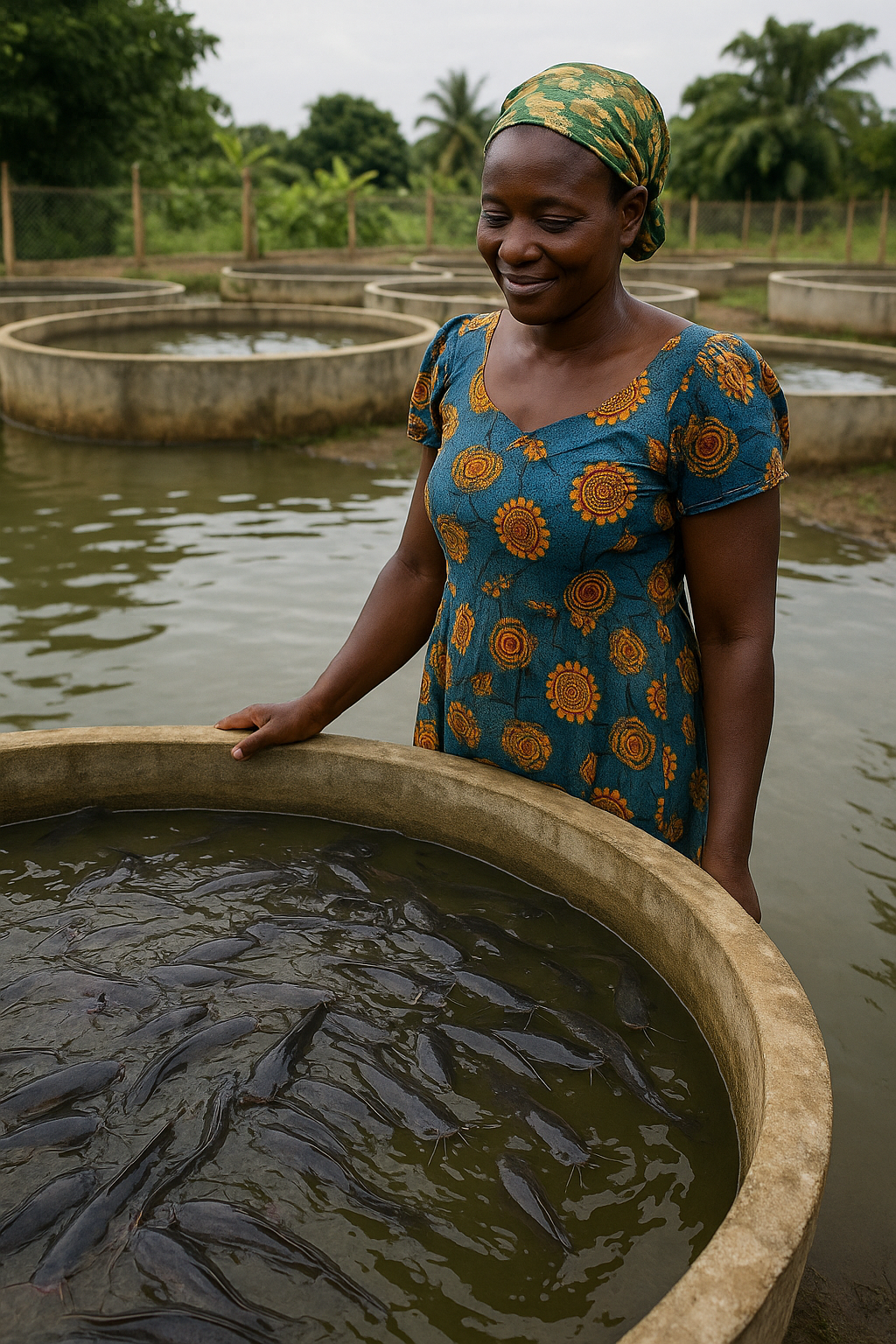
A major regional initiative transforming aquatic resource management and cross-border fish trade is improving the livelihoods of nearly three million people across Southern Africa. The Program for Improving Fisheries Governance and Blue Economy Trade Corridors (PROFISHBLUE) has reshaped fisheries value chains, expanded regional integration, and accelerated food security gains across 16 SADC member states.
Since its launch in 2022, PROFISHBLUE has enabled over 500,000 tonnes of cross-border fish trade, generating income, creating employment, and increasing access to nutritious fish products in a region highly vulnerable to food insecurity and climate change.
Strengthening Skills, Markets, and Climate Resilience
The initiative has trained and supported more than 250,000 beneficiaries across seven African Development Fund (ADF) countries—the Democratic Republic of Congo, Madagascar, Malawi, Mozambique, Tanzania, Zambia, and Zimbabwe. Support has included:
-
Training in fish value chains, post-harvest handling, and product development
-
SME incubation and business development services
-
Knowledge transfer on genetic improvement for endemic tilapia species
-
Provision of fish quality control tools, testing kits, and cold-chain transport
-
Harmonization of fish standards across borders in collaboration with customs and standards bureaus
-
Development of blue economy investment plans and financing mechanisms
To promote sustainability and combat illegal fishing, the program also supported:
-
Transboundary fish stock assessments
-
Vessel monitoring systems
-
Training in vessel inspection and fish catch statistics collection
These interventions are helping countries protect shared aquatic ecosystems, reduce post-harvest losses, and strengthen rural and coastal economies.
Celebrating Progress on World Fisheries Day
On World Fisheries Day, 21 November 2025, representatives from SADC, the African Development Bank Group, governments, private sector, and civil society gathered in Gaborone to reflect on PROFISHBLUE’s achievements and chart future priorities. The event highlighted how the project’s US$9.2 million ADF-15 investment has catalyzed regional cooperation, improved governance, and demonstrated the potential of sustainable blue economy corridors.
SADC’s Director Domingos Gove, speaking on behalf of Deputy Secretary for Regional Integration Angele Makombo Ntumba, underscored the scale of the program’s impact: “This support has demonstrated our capacity to improve aquatic food systems for the benefit of over 380 million people in the region.”
A Model for Sustainable Blue Economy Development
Neeraj Vij, the African Development Bank’s Regional Sector Manager for Feed Africa Operations, highlighted the global importance of the initiative: “PROFISHBLUE has shown best practices in integrating blue economy trade corridors and cross-border fish trade. Strategic investment in fisheries governance can create competitive value chains that generate jobs, strengthen rural livelihoods, and help eradicate poverty.”
Globally, more than 3 billion people rely on aquatic-based foods, contributing US$300 billion annually to the economy. PROFISHBLUE is demonstrating how regional investment in governance can unlock this potential responsibly and sustainably.
The Bank reaffirmed its commitment to expanding support for blue economy initiatives across SADC to build resilient, inclusive, and climate-adaptive fisheries sectors.
Partnerships Driving Transformation
PROFISHBLUE’s success is anchored in collaboration with key implementing partners, including:
-
Food and Agriculture Organization (FAO)
-
United Nations Industrial Development Organization (UNIDO)
-
Worldwide Fund for Nature (WWF)
-
WorldFish
-
African Organization for Standardization (ARSO)
These institutions have supported policy harmonization, ecosystem protection, capacity building, and innovation across the fisheries sector.
Botswana’s Director of Fisheries and Apiculture, Kagisanyo Bedi, praised the initiative for creating a regional platform for learning, cooperation, and knowledge exchange.
Voices from the Community: Women Leading Change
At the celebration, women in fisheries shared testimonies highlighting how PROFISHBLUE has improved their livelihoods.
From Tanzania, Hifadhi Hai, a seaweed farming entrepreneur, expressed gratitude for the program’s support in piloting new technologies: “We embarked on an investment journey that few smallholder entrepreneurs would consider. We appreciate the opportunity.”
In Malawi, Tamala Mtambo of the Twiyule Fish Cooperative explained how the initiative professionalized their operations: “ProFishBlue supported us to turn fish processing into progress.”
These stories underscore the program’s commitment to inclusive development, ensuring women and small-scale fishers benefit directly from improved market access, training, and technologies.
A Blueprint for the Future of Fisheries in Southern Africa
PROFISHBLUE has proven that sustainable, climate-resilient, and profitable fisheries are possible through coordinated regional action. By strengthening governance systems, supporting innovation, and enabling cross-border trade, the initiative is laying a foundation for long-term prosperity across the Southern African region.


 Google News